
What can you put in a Texas basement? Almost anything you would put on any other floor of the house: a home theater, a climate controlled wine cellar, a gym, a game room, a guest suite, a wet bar, or a reinforced safe room, and most families end up combining several. I have built real Texas basements in Parker County for three decades, and the question I hear most once a client accepts that a basement is possible is simple: now that I have the space, what do I actually do with it?
The honest answer is that a basement is just square footage, and good square footage deserves the same planning as any other room in the house. The difference below grade is that a few things, ceiling height, moisture control, and plumbing runs, have to be decided at the design table instead of fixed later. Get those right and the basement becomes the most interesting floor in the house.
What Are the Most Popular Basement Uses in North Texas?
After a hundred-plus homes, a handful of uses come up again and again, usually in combination rather than alone:
- Home theaters, because a below-grade room is naturally dark, quiet, and isolated from the rest of the house without extra soundproofing work.
- Wine cellars and tasting walls, because a basement holds a stable temperature and humidity range far more easily than a closet or a kitchen nook upstairs.
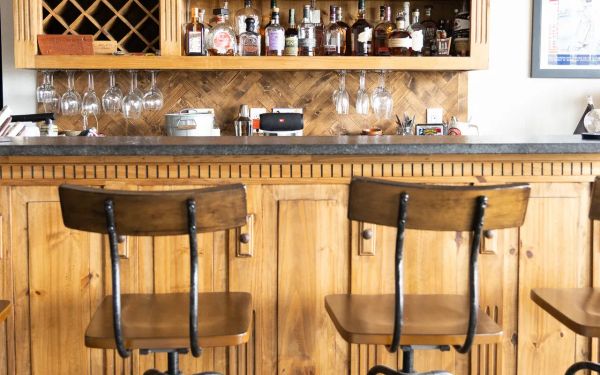
- Game rooms and bars, usually built around a pool table, a bar with stools, and enough open floor for a crowd during a Cowboys game or a holiday gathering.
- Home gyms, which benefit from the same acoustic isolation as a theater and do not need natural light the way a bedroom does.
- Guest suites or teen retreats, a bedroom and bath combination that gives visiting family or older kids real privacy.
- Certified safe rooms, a reinforced interior space built to protect a family during North Texas storm season, which I cover in more depth in basement vs. storm shelter, which should you build.
Is a Home Theater a Good Use of Basement Space?
Yes, and it is one of the easiest uses to justify, because a basement is already doing half the work a theater room needs. No windows to black out, a naturally quieter envelope than an upstairs bonus room, and a slab floor that handles the extra weight of raised seating platforms without the engineering questions you would get framing that same structure over a second floor.
We frame our basements for nine to ten feet of finished ceiling height, which leaves real room for a stepped platform, acoustic treatment, and a proper screen without the space feeling low or boxed in. If a theater is on your list, tell your designer early so wiring, projector mounts, and speaker runs get built into the walls instead of surface-mounted afterward.
Should You Build a Wine Cellar in Your Basement?
If you drink or collect wine seriously, a basement wine cellar is one of the best uses of below-grade space, not just a nice-to-have. Wine wants a stable temperature in the mid 50s to low 60s and consistent humidity, conditions a Texas basement holds naturally far better than any room exposed to an exterior wall or a west-facing window upstairs.
We build dedicated wine rooms with their own small climate control unit separate from the main house system, insulated and vapor-sealed walls, and either a traditional lattice rack or a glass-walled display wall depending on whether you want to see the collection from the bar area. A wine wall near the stairs also does double duty as the visual centerpiece of the whole basement level.
Can a Basement Safe Room Double as Everyday Living Space?
Yes, and this is the detail most families do not realize until we walk them through it. A basement built with reinforced walls and a securable interior room, away from exterior walls and sized to FEMA's safe room guidance, functions as real storm protection without looking or feeling like a bunker. We typically tuck that reinforced room into a section that also serves as a media closet, a wine storage room, or a secondary bath, so it earns its square footage every day of the year, not just during a few minutes of severe weather.
I wrote a full comparison of this tradeoff in basement vs. storm shelter, which should you build, since it is one of the most common questions I get from families in Weatherford, Aledo, and Brock who are weighing a basement against a standalone shelter for the first time.
How Do These Basement Uses Compare?
| Use | Ceiling Height Needed | Moisture Sensitivity | Typical Pairing |
|---|---|---|---|
| Home theater | 9-10 ft for platform seating | Moderate, needs good HVAC zoning | Game room or bar |
| Wine cellar | 8 ft is fine | High, needs dedicated climate control | Bar and tasting area |
| Game room / bar | 8-9 ft | Low to moderate | Theater or guest suite |
| Home gym | 8 ft minimum | Moderate, needs ventilation | Standalone or with storage |
| Guest suite | 8-9 ft, code egress required | Standard | Safe room nearby |
| Safe room | 8 ft, reinforced walls | Low | Any of the above |
What Other Rooms Work Well Below Grade?
Beyond the five I covered above, the basements we build in Weatherford, Aledo, and on acreage around Springtown often include a few quieter additions: a dedicated storage and mechanical room that keeps water heaters and HVAC equipment out of living space upstairs, a craft or hobby room with a utility sink, or simple flex space left unfinished at first and built out later as the family's needs change. That last option is popular with clients who want the basement shell and waterproofing done right now, even if they are not ready to commit to every finish decision on day one.
How Do You Decide What Goes in Your Basement?
Three things drive the decision on most of our projects: how the family actually spends time together, how much square footage the basement footprint can support, and whether egress code requires a window well for any room used as a bedroom. A basement under a 4,000 square foot footprint comfortably fits a theater, a bar, and a safe room together. A smaller basement might mean picking two uses instead of four, which is a conversation worth having at the design table rather than after the concrete is poured.
The International Residential Code's requirements for emergency escape and rescue openings also shape the layout, since any basement room used as a bedroom needs a compliant egress window or walkout door, which we plan into the grading and window well design from the start rather than retrofitting later.
What Should You Do Next?
If you are weighing what to put in your basement, start with how your family actually lives, not with a list of trends. A family that entertains often leans toward a bar and game room. A family that travels or hosts often leans toward a guest suite. Almost every family benefits from a safe room built into the plan, since FEMA's guidance on residential safe rooms makes clear how much protection a properly engineered below-grade room provides during severe weather.
Walk through your options with someone who has actually built these spaces. Schedule a free consultation or call me directly at (817) 736-6323, and I will walk your lot, talk through what fits your family and your footprint, and show you real basements we have finished in our gallery. You can also read more on what a Texas basement actually costs and how we waterproof basements in Parker County clay soil before we ever talk numbers, so you walk into that conversation already informed.